

Returning users behave very differently from first-time visitors, and recognizing that difference can dramatically improve content performance. Once a platform understands who is coming back, it can tailor messaging, layout, and recommendations to match established preferences and past behavior. This is where identity data becomes powerful, allowing brands to move beyond generic optimization and toward more meaningful personalization. Approaches built on identity-focused ecommerce strategies help marketers refine content based on loyalty signals, browsing history, and intent rather than assumptions. When returning user identity is used correctly, content feels more relevant and timely. Understanding this shift explains why optimization strategies evolve as audiences become familiar and engaged over time.
Personalization Becomes Priority Over Discovery
 For new users, content optimization focuses on discovery and broad appeal. Returning users flip that priority. Systems now emphasize relevance based on what the user already consumed, skipped, or engaged with previously. It allows content to surface faster without forcing users to search again. Recommendations become more specific, headlines change tone, and layout decisions adapt to past behavior. The goal is efficiency and familiarity. Returning users want progress, not repetition. When personalization aligns with past actions, content feels intentional instead of random, which increases session length and repeat engagement.
Content Sequencing and Context Awareness Improve
Returning user identity allows platforms to think in sequences rather than single posts or pages. Content optimization shifts toward logical progression, showing what should come next instead of what is popular overall. That could mean follow-up articles, deeper explanations, or updated perspectives based on earlier interactions. Context awareness also helps avoid showing outdated or already completed content. When systems remember where users left off, content delivery feels smooth and continuous. This approach respects user time and attention, reducing frustration caused by seeing the same material repeatedly.
Engagement Signals Become More Predictive
 With returning users, engagement signals gain more weight and clarity. Likes, time spent, scroll depth, and revisit frequency now reflect preference rather than curiosity. Optimization systems use these signals to fine-tune future content delivery, adjusting format, length, and topic focus. A returning user who consistently reads long-form content gets different suggestions from one who skims visuals. It reduces guesswork and improves accuracy. Over time, content adapts naturally to user behavior, leading to stronger loyalty and more meaningful interactions rather than shallow traffic spikes.
Returning user identity changes content optimization by shifting focus from attraction to retention. Personalization becomes sharper, sequencing becomes smarter, and engagement data becomes more reliable. Instead of casting a wide net, content systems narrow their aim to match proven interests and habits. It creates experiences that feel familiar without becoming stale. For platforms and publishers, optimizing for returning users means thinking long term rather than chasing short bursts of attention. When content respects history and context, users are more likely to stay, explore deeper, and keep coming back.…
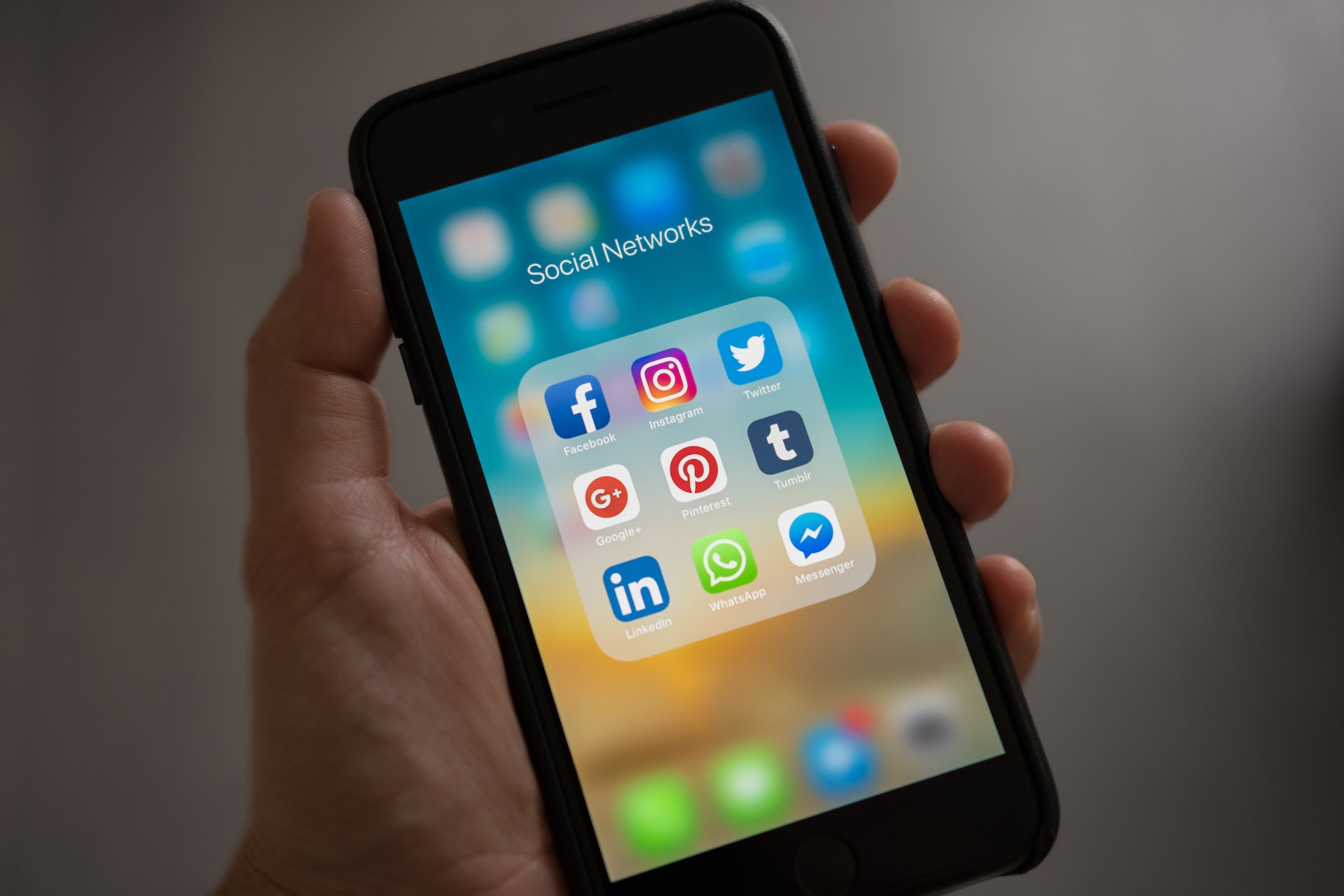
 When selecting a social media optimization service, consider their experience and expertise in the field. Research their track record and client portfolio. Look for providers who have successfully worked with businesses similar to yours or within your industry. Assess their knowledge of various social media platforms, trends, and best practices. A competent service provider should demonstrate a deep understanding of social media dynamics and have the skills to tailor strategies to your needs.